ATRI designs and builds robotic and automated systems—from six-axis robots, cobots and custom end effectors to conveyors, machine vision, sensing, motion control and controller electronics.
We bring mechanical, electronics, embedded, controls, vision and AI engineering together to create complete systems engineered around the task.
Discuss a robotics challenge →
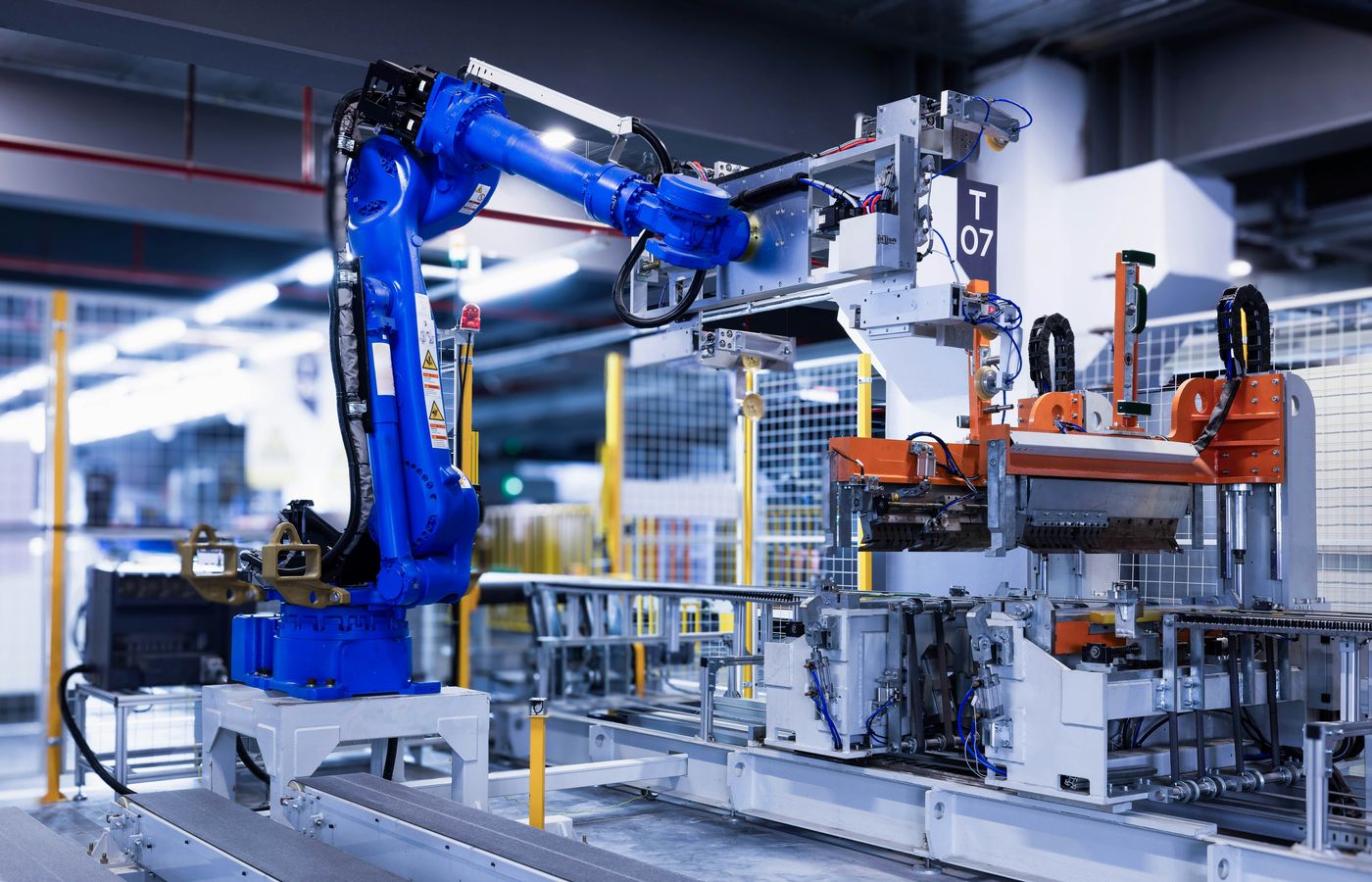
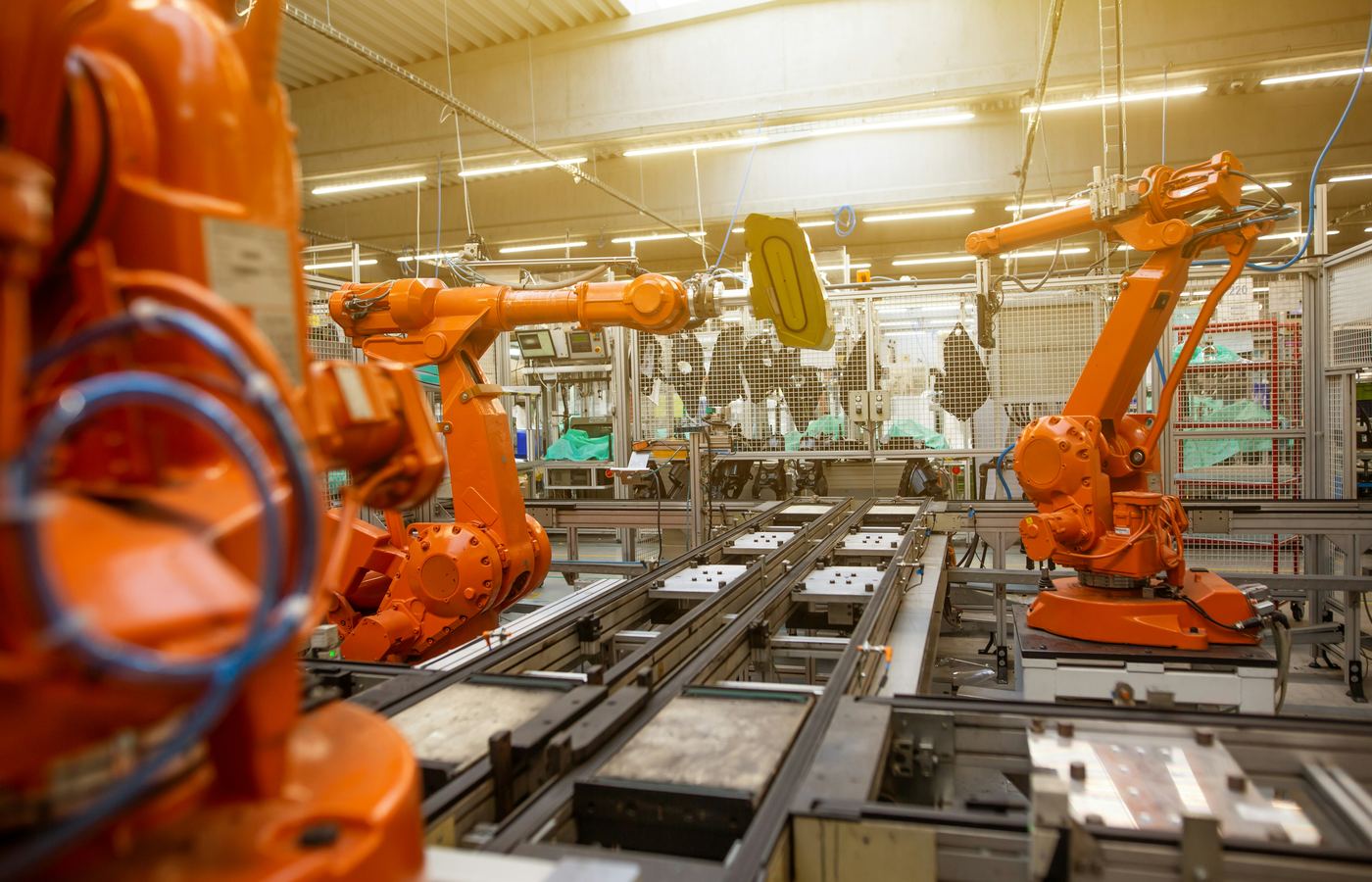
ATRI engineers the mechanical, electronic, sensing, control and software elements required to turn robotic hardware into a functioning system.
Six-axis robotic systems • collaborative robots • robotic workcells • pick-and-place systems • manufacturing automation • application-specific robotic systems • robot/system integration
Machine vision integration • object identification • vision-guided positioning • vision-based training • vision-guided robot control • robotic quality inspection • pick/place/sort decisions • vision feedback
Custom end effectors • grippers and tooling • application-specific tooling • mechanical interfaces • object handling • manipulation systems • robot/tool integration
Robot programming • motion control • path planning • task sequencing • coordinated movement • control logic • feedback loops • error detection and correction
Conveyor system design • material movement and transfer • motor and drive integration • positioning and detection • conveyor sequencing • robot/conveyor coordination • sorting and routing • manufacturing material handling
Machine vision cameras • thermal sensing • infrared sensing • pressure sensing • proximity sensing • strain gauges • position and process sensing • application-specific IoT sensors
AGVs • AMRs • UAVs / drones • autonomous machines • perception systems • planning and control • embedded/edge intelligence • connected autonomous systems
ATRI does not simply install a robot and treat the robot as the complete solution. ATRI can bring together:
ATRI engineers the interfaces between these disciplines so the robot becomes part of a complete working system rather than an isolated machine.
ATRI integrates machine vision with robotic control so robotic systems can respond to what they observe rather than relying only on predetermined motion—Vision-Guided Robotics (VGR). ATRI experience includes camera and vision integration, object identification, vision-based training, robotic positioning and control, inspection, pick-and-place and closed-loop error correction.
VERIFY and CORRECT feed back into PLAN and MOVE, forming a closed loop rather than a one-way sequence.
The system observes the scene using cameras or other vision sensors.
Vision processing identifies what is present in the scene.
The system determines where the object or target actually is.
The required robotic action and motion path are planned.
The robot executes the planned motion.
The end effector performs the physical task.
Vision or sensor feedback confirms whether the action succeeded.
Deviations are corrected through the control loop.
ATRI's capability extends beyond mechanical robot integration.
ATRI has designed and built custom end effectors for robotic applications. End-effector engineering may combine:
Successful robotics engineering often depends as much on the tooling and interaction with the product as on the robot itself.
ATRI designs and builds conveyor and material-handling systems that combine mechanical systems, motors and drives, sensing, controller electronics and control software—complete conveyor solutions for smaller manufacturing operations, not merely connecting robots to third-party conveyors.
Conveyor mechanical/system design • motor and drive integration • controller electronics • embedded/control software • sensors and detection • material positioning • sequencing • sorting/routing • robot/conveyor coordination • machine-vision integration • complete system integration and validation

ATRI can engineer complete small-scale manufacturing automation solutions, not merely individual components.
Robotic systems can combine multiple sensing modalities depending on the application.
Autonomous machines require many of the same disciplines ATRI already brings together in robotic systems: sensing, perception, embedded computing, communications, control, motion, mechanical engineering, AI/ML and system integration.
ATRI's multidisciplinary engineering capabilities can therefore support development of mobile, aerial and application-specific autonomous systems from subsystem through integrated product.
Sensing captures what is happening in the physical environment.
Perception data is interpreted and turned into a decision.
The decision becomes a concrete plan for action.
The plan is executed through physical robotic or automated action.
The result is observed and returned to Perception, closing the loop.
Robotics provides the physical execution layer through which sensing, software and intelligence can act on the real world.
Whether the challenge starts with a robot, a manufacturing process, a vision problem, an autonomous-machine concept or simply a task that needs to be automated, ATRI can bring together the engineering disciplines required to turn it into a working system.
Discuss your challenge →