ATRI engineers the mechanical, thermal and electromechanical systems behind real-world products and equipment—from product architecture, mechanisms and motion systems to thermal management, fluid control, industrial equipment and functional prototypes.
We combine mechanical engineering with electronics, embedded systems, power, sensing, controls, robotics and manufacturing to engineer the complete physical product.
Talk to ATRI →
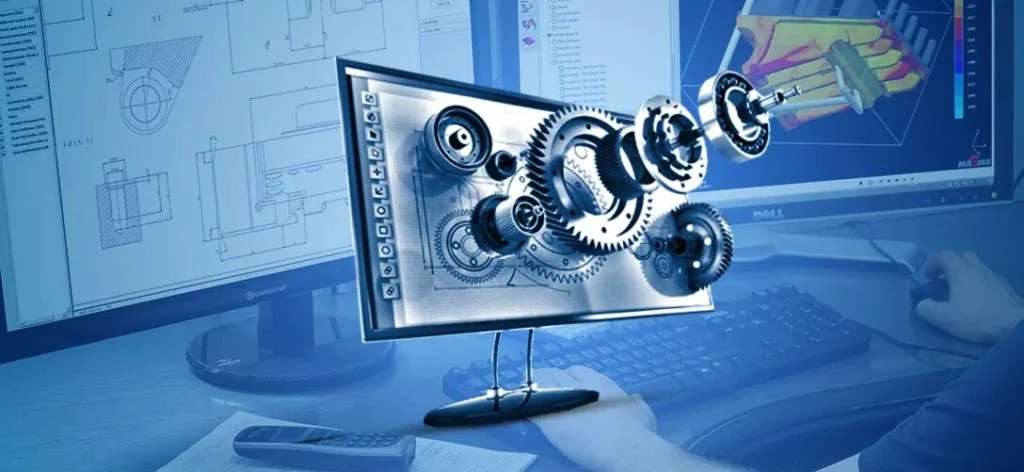
Mechanical engineering is more than the enclosure around the technology. ATRI engineers the structures, mechanisms, thermal systems, fluid systems and physical interfaces that determine how a product operates in the real world.
Product architecture • mechanical assemblies • structures • enclosures • component integration • materials • physical interfaces • detailed mechanical design
Gears • gear trains • shafts • bearings • linkages • rollers • mechanical drives • actuation • power transmission
Heat generation • heat transfer • thermal distribution • cooling • heatsinks • airflow • insulation • temperature management • thermal integration
Valve bodies • internal flow geometry • seals • flow paths • mechanical actuation • flow regulation • fluid-system integration
Motors • actuators • heaters • sensors • switches • controls • electronics integration • mechanically controlled systems
Conveyors • rollers • positioning systems • material movement • manufacturing equipment • automated workcell mechanics
Custom grippers • end effectors • mechanical interfaces • manipulation mechanisms • robot-to-tool integration • application-specific tooling
Mechanical prototypes • functional assemblies • system integration • engineering builds • test-ready products • iterative design
A successful mechanical product begins with what the system must physically accomplish. ATRI develops the architecture around that function and engineers the interacting mechanical systems required to make it work.
ATRI develops the mechanical architecture around the product’s functional requirements—determining how components are arranged, supported, connected, accessed and protected while accounting for the electrical, thermal and physical systems around them.
Many products depend on mechanical systems that translate, rotate, transmit force or position components accurately. ATRI engineers mechanisms and mechanical power-transmission systems around the functional requirements of the application.
Gear systems • ratios • mechanical transmission • application integration
Rotating assemblies • support • alignment • mechanical interfaces
Linkages • moving mechanisms • mechanical actuation • controlled movement
Rollers • conveyors • positioning • material movement
Grippers • end effectors • application-specific mechanical interfaces
ATRI has demonstrated gear-design experience in intelligent manufacturing tools and mechanical drivetrain work associated with industrial equipment.
Robotics work provides demonstrated experience with custom grippers and end effectors.
Thermal behavior is often fundamental to whether a product works reliably. ATRI engineers thermal systems both for products whose primary function is generating or controlling heat and for products where heat must be managed as a consequence of electronics, power conversion or operation.
Heating systems • thermal architecture • heat distribution • heatsinking • cooling & airflow • insulation • temperature sensing • temperature control • thermal/mechanical integration • thermal protection
This capability is supported by ATRI’s work across commercial thermal equipment, induction systems, power-electronics products and environmental test systems.
ATRI’s mechanical team designs and builds functional prototypes across a broad range of commercial thermal equipment.
ATRI engineers mechanical systems where controlling fluid movement is fundamental to product operation. Our demonstrated work includes water-system control valves engineered at the functional mechanical level—from internal flow geometry and sealing to actuation and flow regulation.
Integrated throughout the flow path, not added at the end.
Valve-body design • internal flow geometry • flow-path engineering • sealing systems • moving valve mechanisms • mechanical actuation • flow regulation • system integration
ATRI designs mechanical systems for moving, positioning and processing materials within equipment and manufacturing environments.
Conveyor systems • rollers & material movement • mechanical positioning • product handling • motor/mechanical integration • sensors & controls integration • manufacturing equipment • automation-system mechanics
ATRI has designed environmental chamber systems that create controlled temperature and humidity environments for reliability and accelerated product testing.
Modern physical products increasingly combine mechanical systems with motors, heaters, sensors, power electronics, embedded controllers and software. ATRI engineers these interfaces as part of the complete system.
ATRI’s mechanical engineering work does not stop at drawings. We design and build functional prototypes so engineering decisions can be evaluated in the physical product.
Prototypes allow mechanical architecture, fit, motion, thermal behavior, interfaces, usability and system integration to be evaluated before the design progresses further toward productization.
ATRI’s Industrial & Mechanical Engineering capability has also been applied across induction systems, robotic grippers and end effectors, conveyor systems, fluid-control products, embedded devices, power equipment and other electromechanical products.
The common thread is not a particular industry or product type. It is the ability to engineer the physical system around what the product must actually do.